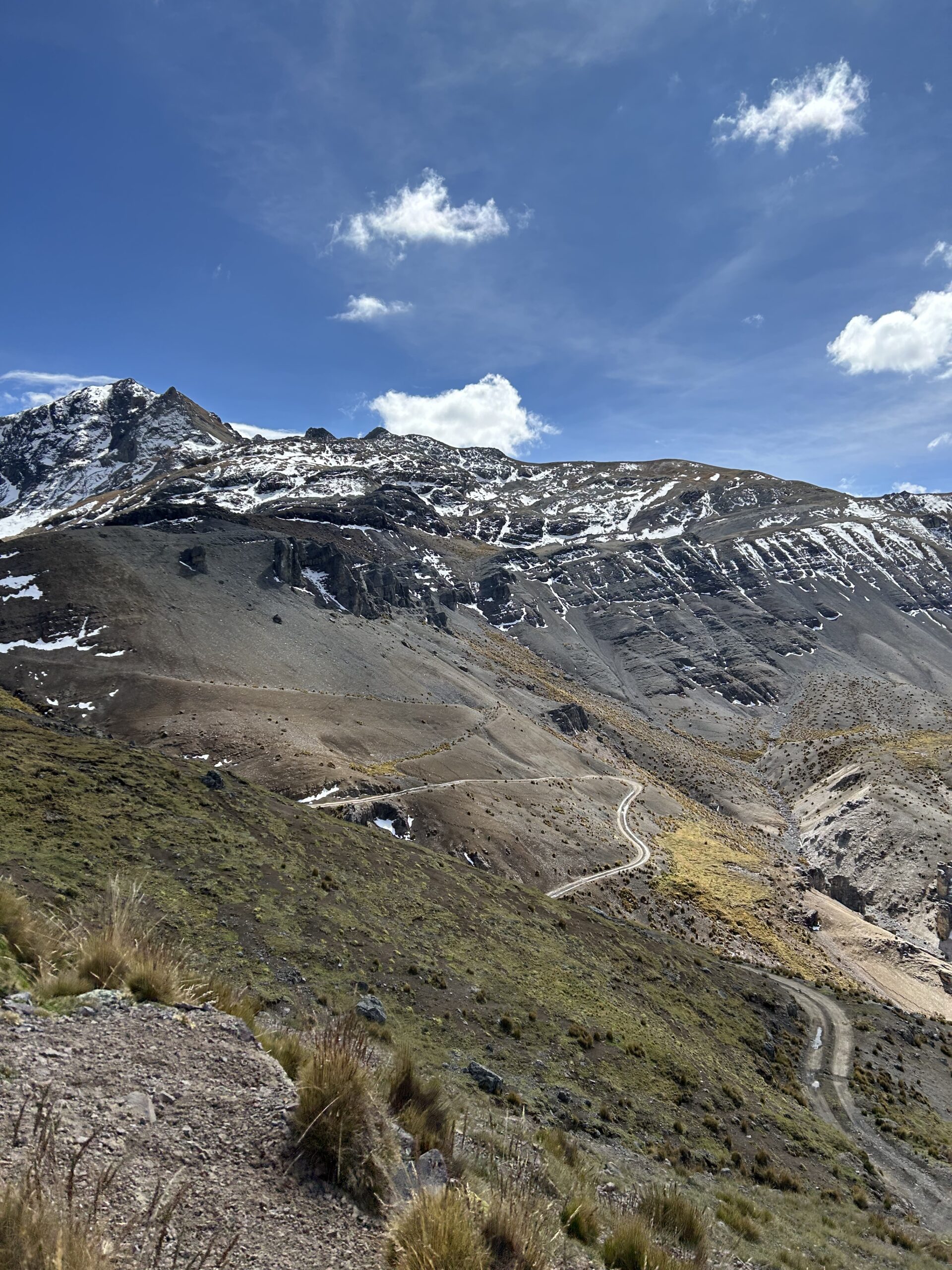
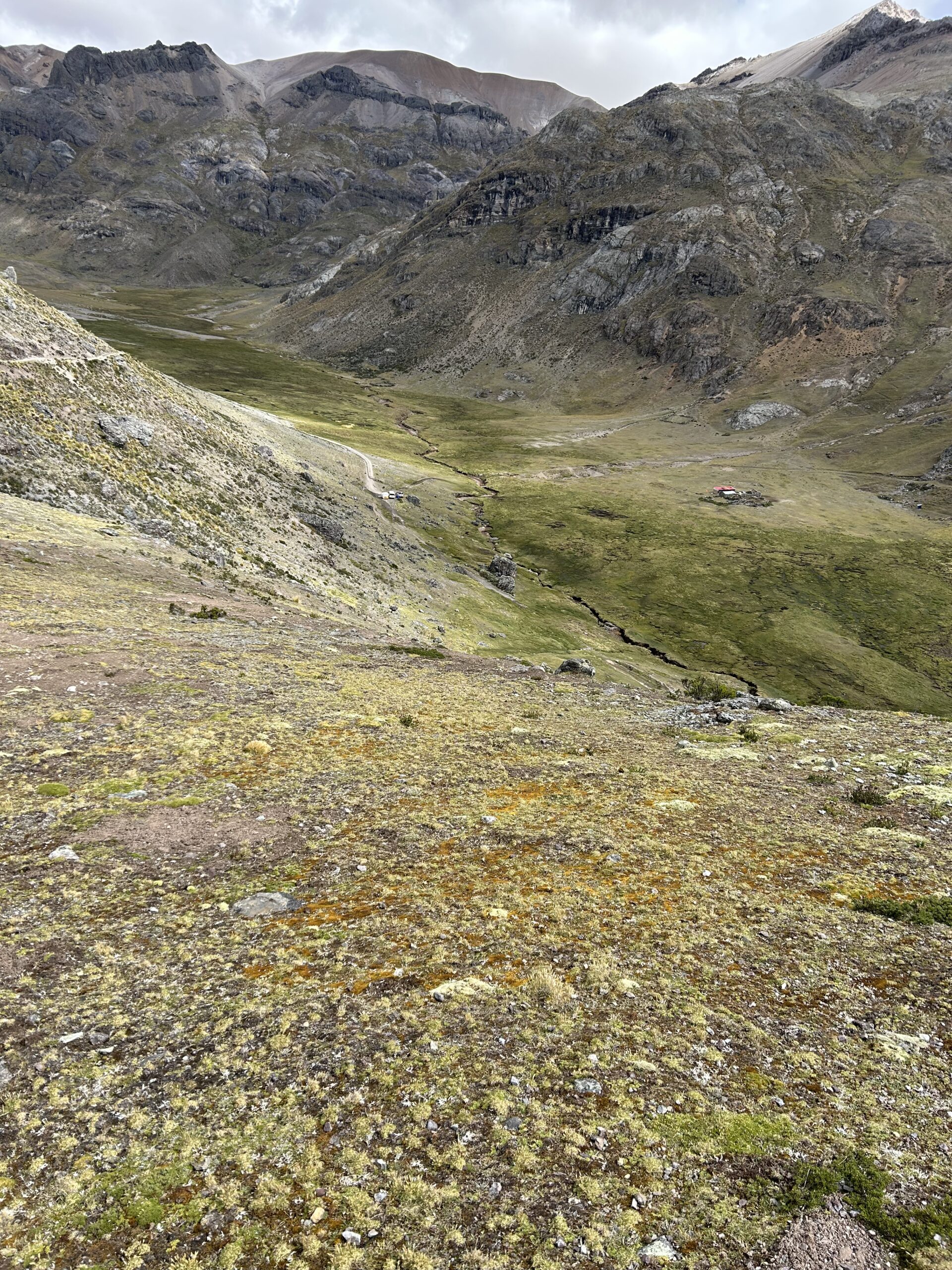
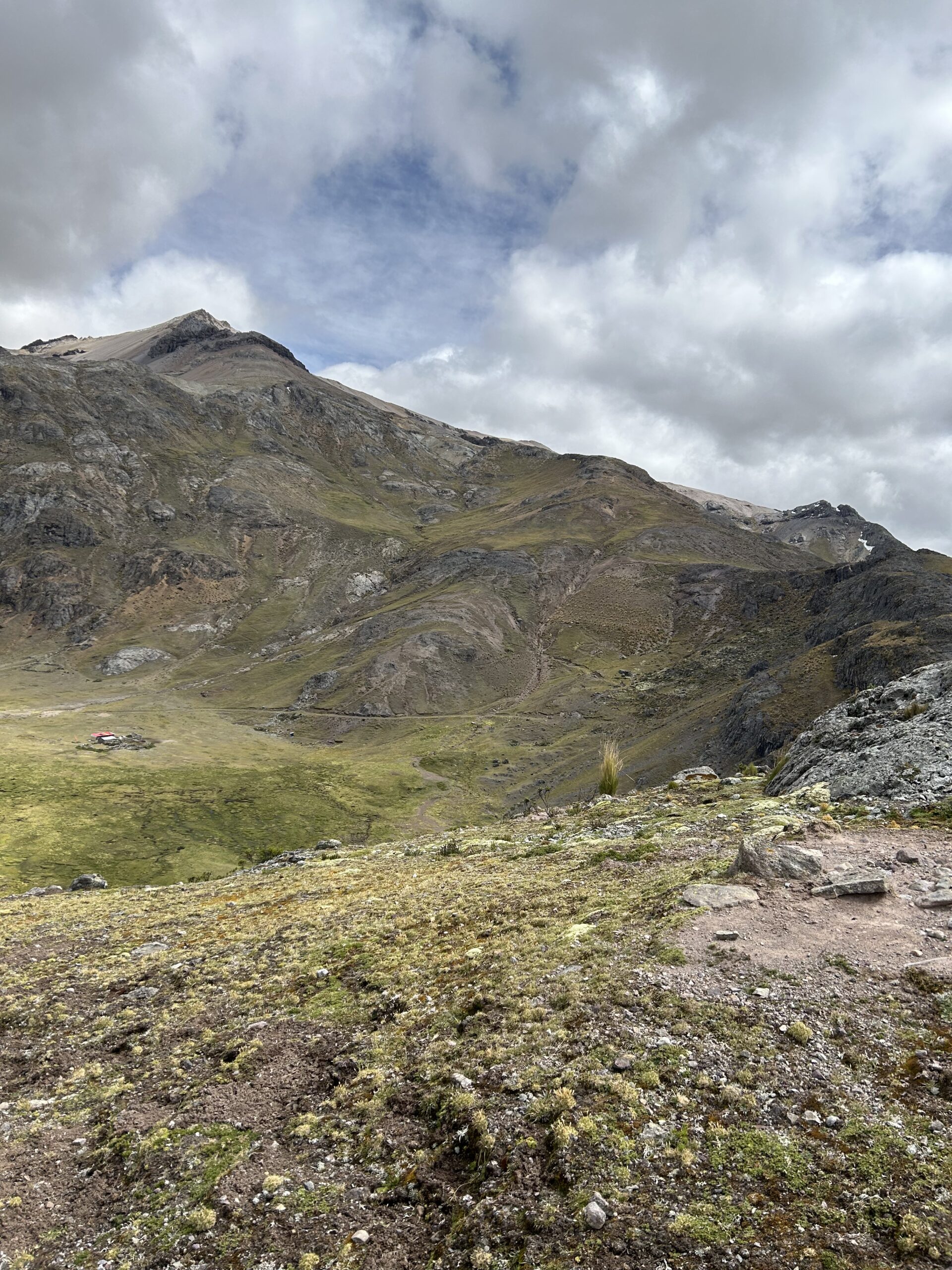
Huachocolpa District, Huancavelica, Peru

Maria Norte Project

Project Overview

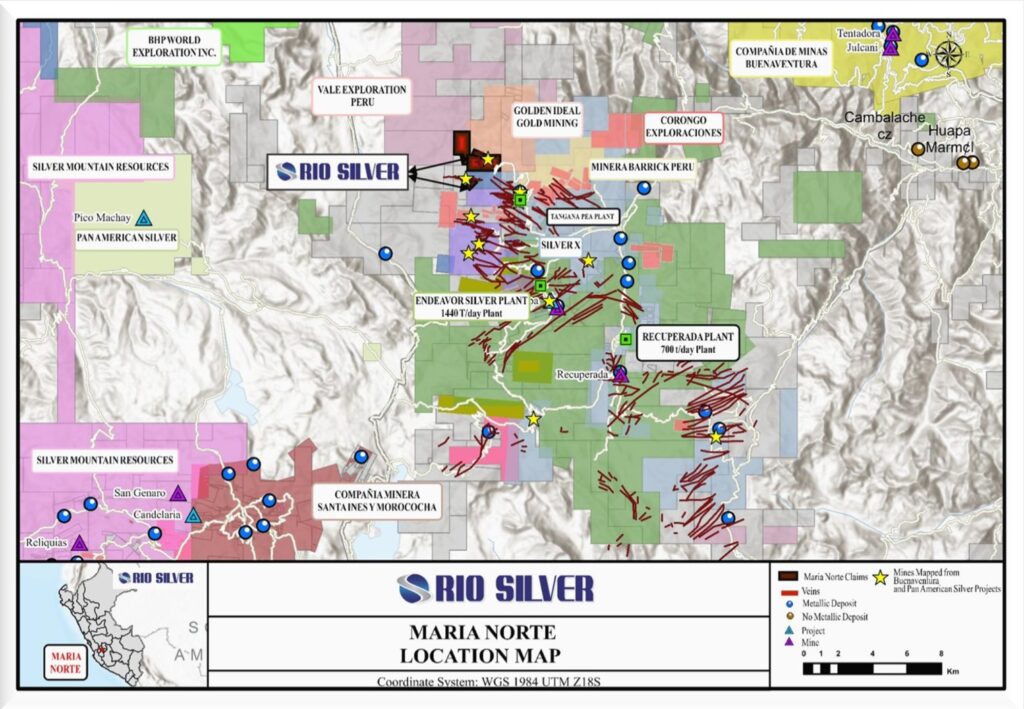
The Maria Norte Project is Rio Silver Inc.’s flagship high-grade silver asset, located in the historic Huachocolpa District of Huancavelica, Peru. The district has supported decades of underground silver, lead, zinc, and gold production and remains an active mining area today.

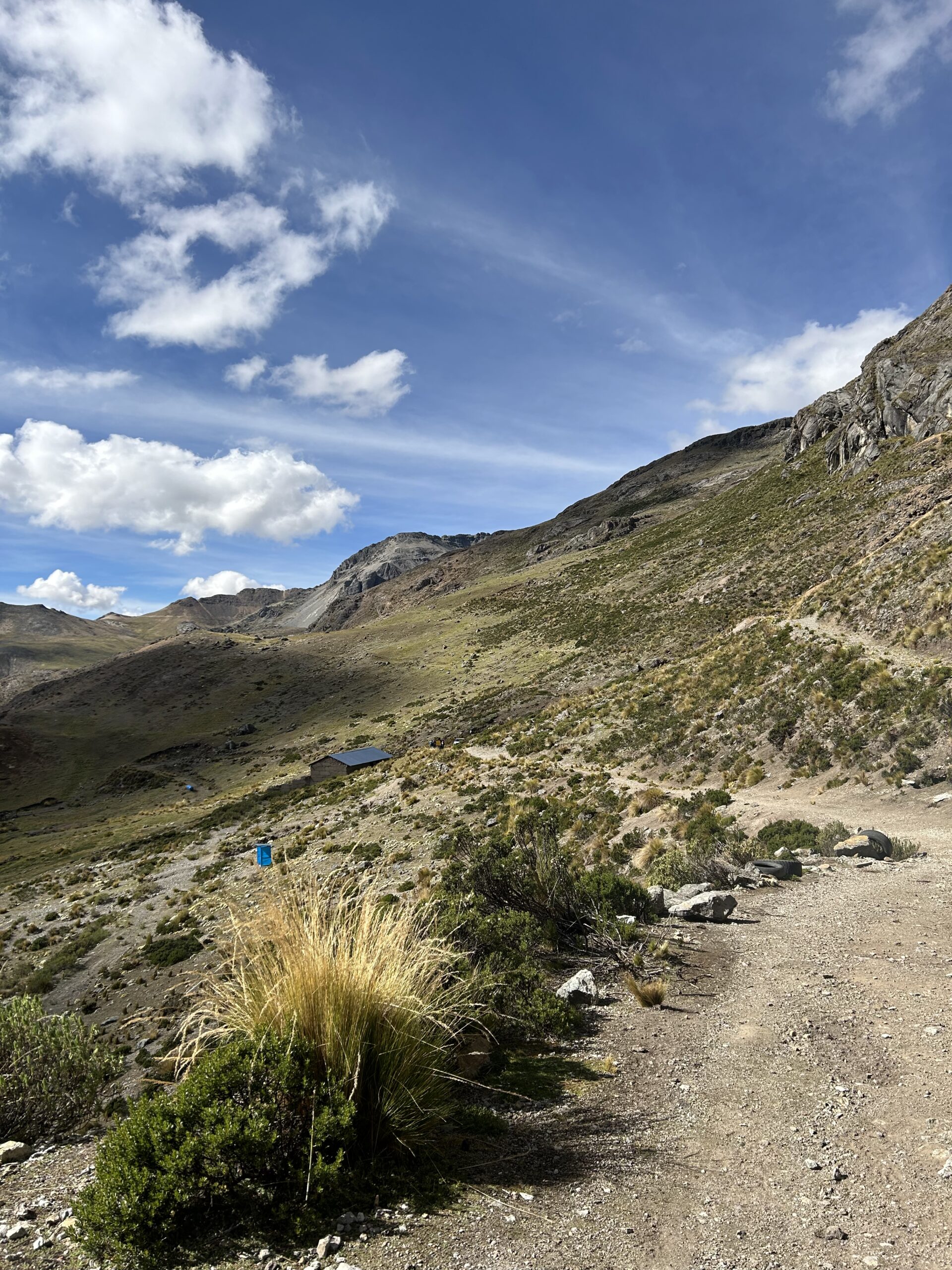
Maria Norte benefits from year-round road access and is located approximately 11 kilometres from operating processing plants, providing a strong foundation for potential low-capital development pathways, subject to exploration success, permitting, and technical studies.
Project Type
High-grade silver polymetallic
Primary Metals
Silver, lead, zinc, with localized gold
Infrastructure
Road access and nearby processing facilities
Stage
Advanced exploration and early development

Geological Setting

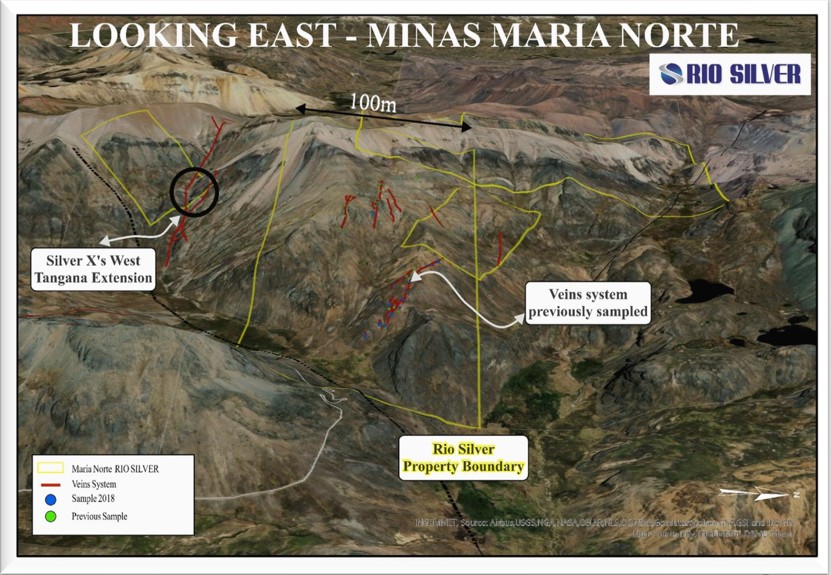
Maria Norte hosts a network of silver-rich polymetallic veins and breccia structures within volcanic and sedimentary host rocks. Mineralization is dominated by silver, with associated lead, zinc, copper, and localized gold credits.

Structural trends at Maria Norte align with nearby producing operations in the Huachocolpa District, suggesting the project may form part of a broader mineralized corridor. Further exploration is required to confirm continuity and scale.

Exploration Highlights

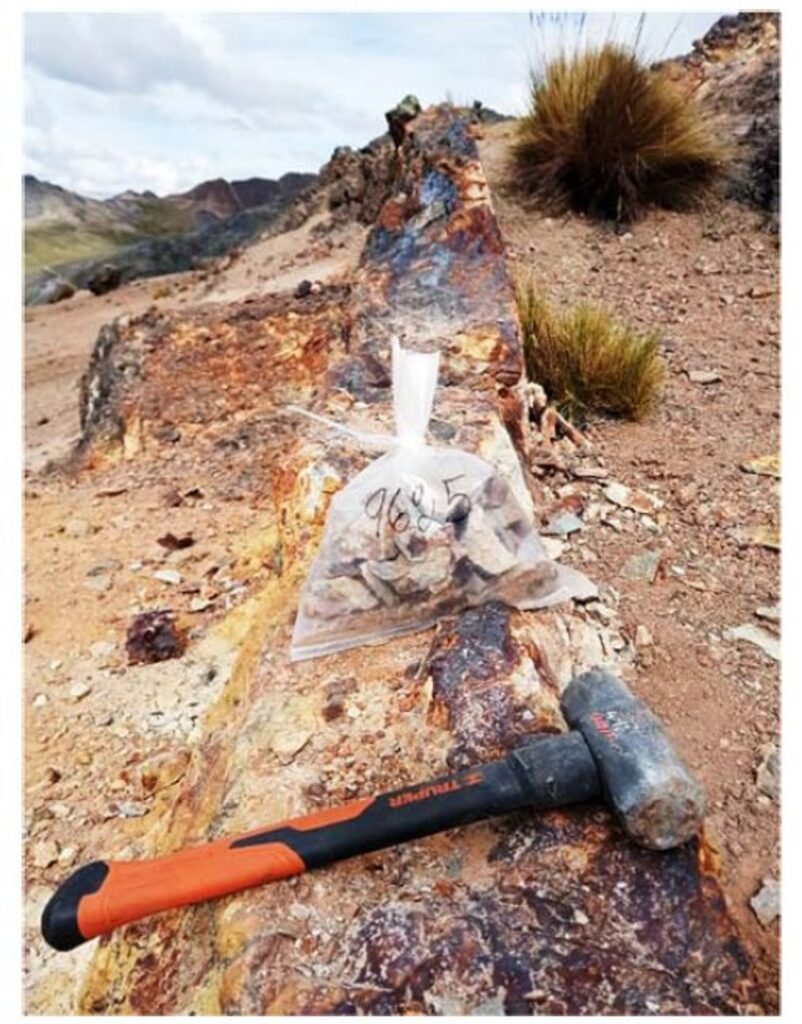
  • Surface grab samples have returned silver values exceeding 500 g/t Ag, with elevated lead and zinc
  • A historical sample from the Castor vein reported 1,128 g/t Ag with significant gold content
  • Independent verification sampling completed in 2025 returned assays of 869 g/t Ag and 991 g/t Ag

These results demonstrate the high-grade nature of the mineral system and support continued advancement.

Project Advancement Timeline

Acquisition
Secured in a proven mining district with existing infrastructure.
Surface Sampling and Mapping
High-grade silver values confirmed through surface work and historical data review.
Underground Access Preparation
Planning for underground access to improve geological understanding at depth.
Technical Studies
Metallurgical testing, geological modeling, and evaluation work to support future decisions.
Potential Development Pathways
Assessment of toll milling or partnership-based processing options, subject to results and approvals.

High Grade Mineralization confirmed

High-Grade Silver Mineralization at Surface and Underground

  • Historic underground workings confirm multiple mineralized vein systems
  • Channel sampling and historic sampling identified high-grade silver with lead and zinc credits
  • 0.7 m chip sample:
    6.263 g/t Au, 991 g/t Ag, 2.35% Pb, 0.36% Zn
  • 0.5 m chip sample:
    1.679 g/t Au, 869 g/t Ag, 17.31% Pb, 10.17% Zn
  • Mineralization exposed at surface provides direct access for early testing
  • Waste dumps and historical stopes indicate prior extraction of high-grade material

This is not conceptual geology. Real high-grade silver is already exposed on the property
Sample Sample Type Width (m) Au (g/t) Ag (g/t) Cu (%) Pb (%) Zn (%) Location
9623 Grab 2.194 396 0.276 1.430 0.565 Waste dump
9624 Chip 0.5 1.679 869 0.310 17.310 10.170 Outcrop
9625 Chip 0.4 0.868 68.8 0.300 0.563 0.819 Outcrop
9626 Chip 0.7 6.263 991 0.612 2.350 0.357 Outcrop

Geological Model & Mining Potential

District-Scale Polymetallic Vein System

  • Low-sulphidation polymetallic vein model typical of productive Peruvian districts
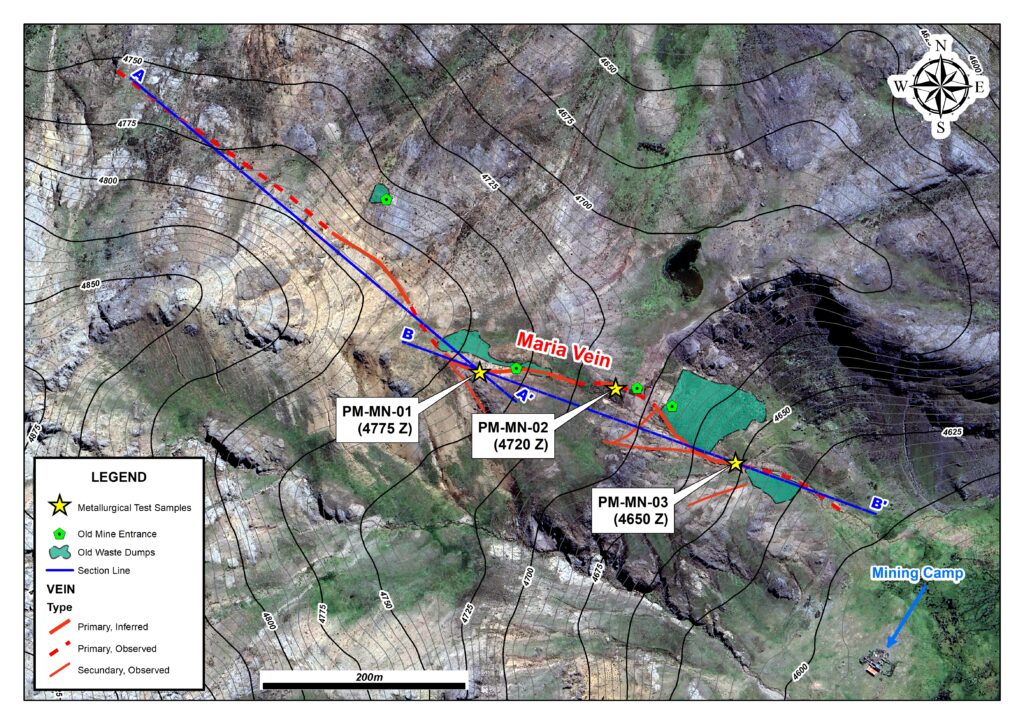
  • Multiple known veins mapped across the property
  • Mineralization remains open along strike and at depth
  • Structural complexity suggests potential for additional blind vein systems


Objective: Demonstrate continuity and scale across a multi-vein district system

Favorable Geometry for Capital-Efficient Development

  • Mineralization occurs in well-defined, steeply dipping vein structures
  • Vein orientation suitable for conventional underground mining methods
  • High-grade zones exposed at surface reduce early development risk
  • Underground access potential supports staged, low-capex development
  • Veining in this mineralogical district can be very deep seated – providing long-serving resource potential

The shape and structure of the mineralization supports simple, scalable underground mining
Staged Work Program

Phase I

Surface De-Risking

  • Alpha IP geophysics survey
  • Geological mapping, channel sampling & assays
  • Road access & community programs
  • NI-compliant technical reporting

Phase II

Initial Drill Program 

~600 metres of diamond drilling

All-in drilling cost: US$210 per metre

Assays: 150-600 samples Staffing, logistics, community work, QP report

Phase work is designed to advance from surface access → portal preparation → staged underground access, while processing strategy is advanced in parallel through metallurgical validation and toll-milling logistics planning.

Near-term Catalysts

2026 Value-Creation Milestones

  • IP geophysics and surface mapping across 4 concessions
  • Channel sampling → drill-ready targets
  • Initial 600 m drill program testing priority veins
  • Progress toward long-term surface access agreements
  • Advance toll-milling logistics and processing discussions supported by metallurgical results


Multiple re-rating catalysts within the next 6–12 months

Development Potential

Peru is one of the world’s leading silver-producing countries and hosts some of the largest known silver reserves globally. The country benefits from a skilled workforce, a deep mining culture, and well-developed infrastructure that supports exploration and mine development.

Rio Silver’s projects are located in Peru’s central Andean polymetallic belts, including the Huachocolpa District of Huancavelica. This region is known for high-grade silver-lead-zinc vein systems and decades of underground mining activity.
Why invest

Subscribe

Stay up to date with Rio Silver by subscribing for company updates and news.